Outdoor Extension Cord Safety What Most Homeowners Get Wrong
May 27, 2026
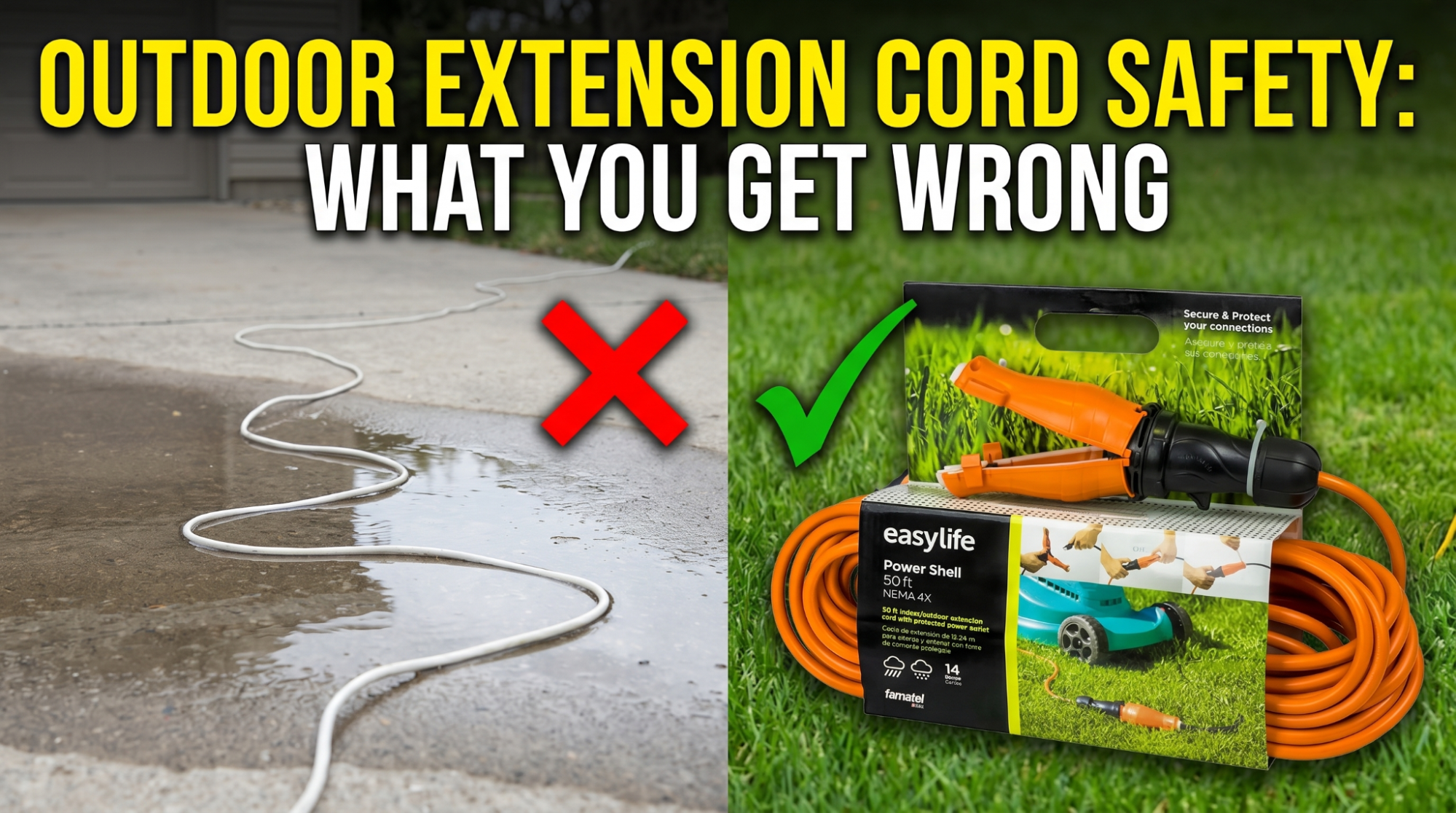
Outdoor extension cord safety is one of the most important but overlooked parts of protecting your home, tools, and outdoor electrical equipment. Many homeowners unknowingly use the wrong extension cords outdoors or fail to protect electrical connections from rain, moisture, dirt, and heat. These mistakes can lead to electrical shock, damaged equipment, short circuits, and even fire hazards. Outdoor Extension Cord Safety: What Most Homeowners Get Wrong is assuming that any extension cord is safe for outdoor use. Understanding proper cord selection and protection can help prevent accidents and equipment damage.
Whether you are powering holiday lights, lawn equipment, patio heaters, power tools, or outdoor appliances, understanding proper outdoor extension cord safety can help prevent expensive and dangerous problems.
Using a weatherproof outdoor extension cord and protecting the connection point is one of the easiest ways to improve outdoor electrical safety.
Why Outdoor Extension Cord Safety Matters
Outdoor environments expose electrical cords and plugs to conditions they were not designed to handle unless they are specifically rated for outdoor use.
Common outdoor hazards include:
- Rain and moisture
- UV exposure from sunlight
- Dirt and debris
- Extreme temperatures
- Wet grass and puddles
- Snow and humidity
Standard indoor extension cords are not built for these conditions. Using them outside greatly increases the risk of electrical hazards and equipment failure.
Outdoor-rated extension cords are designed with heavier insulation, durable jackets, and weather-resistant materials to safely handle outdoor environments.
Mistake 1: Using Indoor Extension Cords Outdoors
One of the most common mistakes homeowners make is using indoor extension cords outside.
Indoor cords are not designed to resist moisture, UV rays, or temperature changes. Over time, exposure to outdoor conditions can damage the insulation and create dangerous electrical risks.
Problems caused by indoor cords outdoors include:
- Cracked or damaged insulation
- Increased risk of electric shock
- Water entering plug connections
- Short circuits and overheating
- Reduced cord lifespan
Always choose a weatherproof outdoor extension cord designed specifically for outdoor use.
Mistake 2: Leaving Extension Cord Connections Exposed
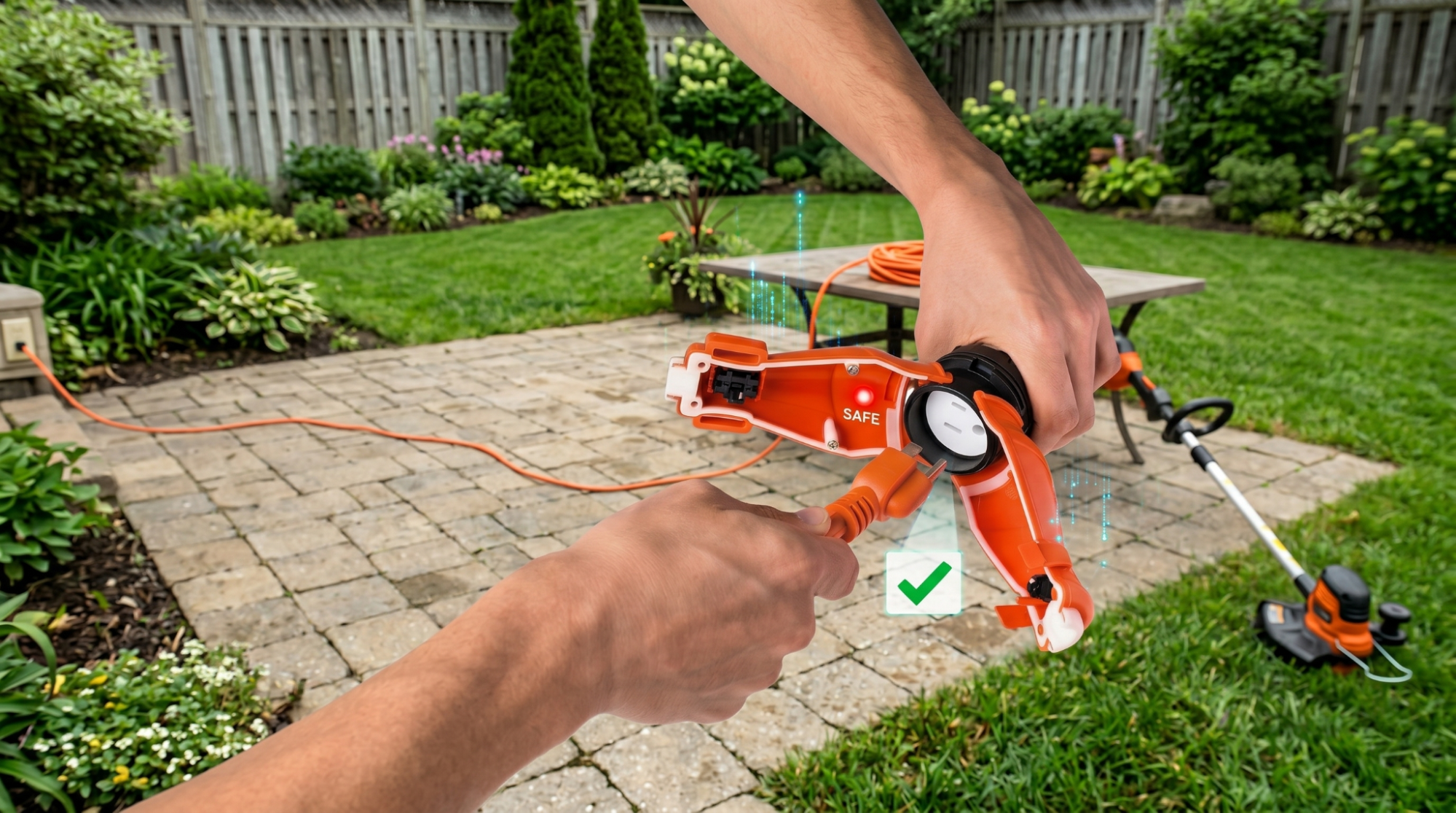
Many outdoor electrical issues happen at the plug connection itself.
When extension cord connections are left exposed to rain, sprinklers, dirt, or humidity, water can enter the connection point and create corrosion or electrical failure.
Exposed outdoor cord connections may cause:
- Power interruptions
- Corroded plug contacts
- Electrical shorts
- Fire hazards
- Equipment damage
Using a weatherproof extension cord safety cover helps seal and protect the connection between plugs from outdoor elements.
Mistake 3: Ignoring Weatherproof Ratings
Not all outdoor extension cords provide the same level of protection.
Homeowners should always look for features such as:
- Weatherproof construction
- Heavy-duty insulation
- UV-resistant materials
- Water-resistant plug protection
- Outdoor-rated certification
A durable outdoor extension cord with proper weatherproof protection lasts longer and performs more safely in harsh environments.
Mistake 4: Overloading the Extension Cord
Plugging too many devices into one extension cord can create overheating and voltage problems.
Outdoor equipment such as space heaters, pressure washers, grills, lawn tools, and power equipment often require significant power.
Overloaded extension cords may lead to:
- Excessive heat buildup
- Melted insulation
- Voltage drops
- Equipment damage
- Electrical fires
Always verify the extension cord amperage and wattage ratings before use.
Mistake 5: Using Damaged Extension Cords
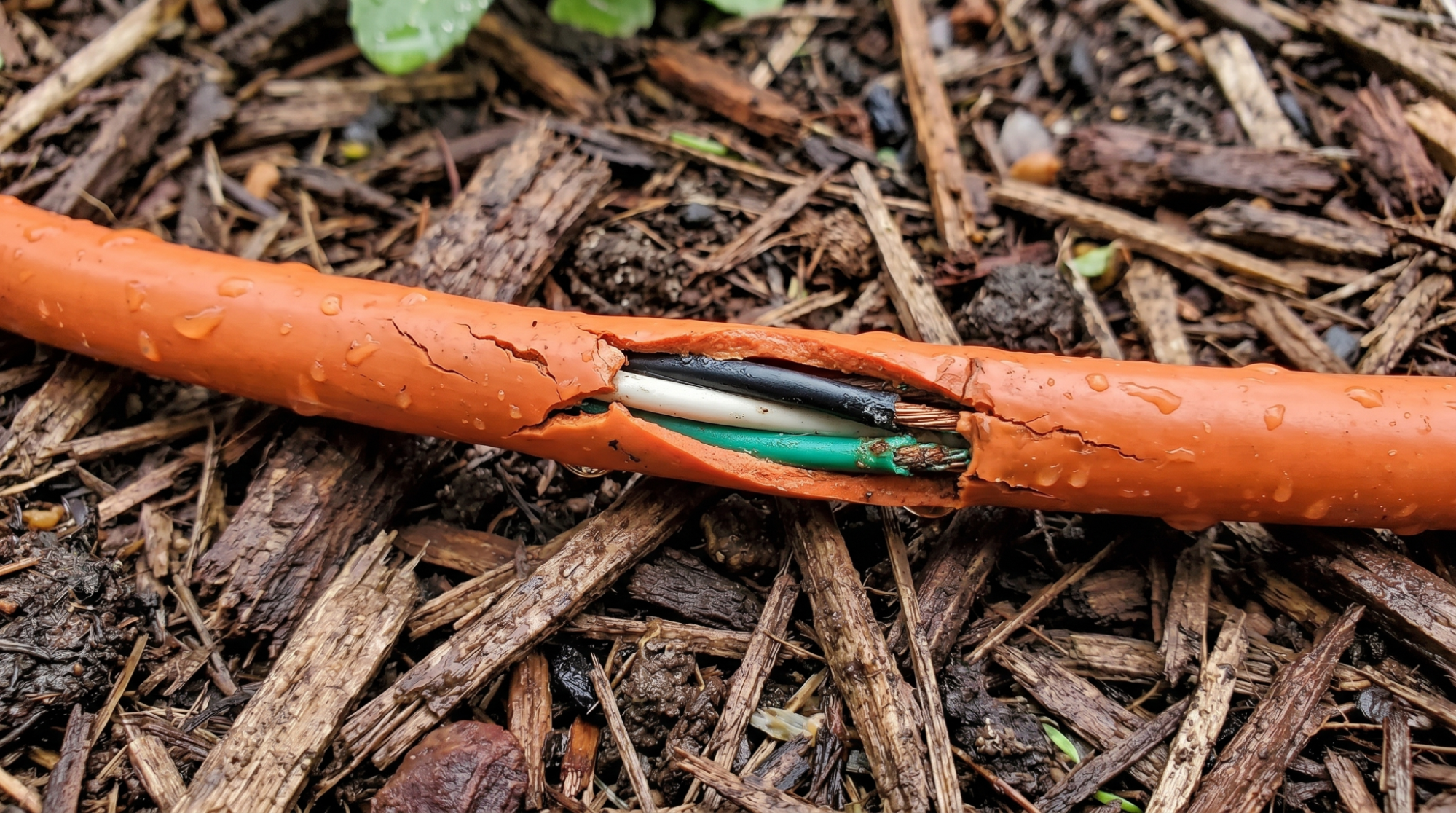
Damaged cords should never be used outdoors.
Before every use, inspect the cord for:
- Cracked insulation
- Loose plugs
- Exposed wires
- Burn marks
- Bent connectors
Even minor cord damage can become dangerous when exposed to outdoor moisture and weather conditions.
Replacing worn cords is far safer than risking electrical failure.
Mistake 6: Running Cords Through Unsafe Areas
Improper cord placement creates both electrical and physical hazards.
Avoid running extension cords:
- Under rugs or mats
- Across walkways
- Through standing water
- Through windows or doors that pinch the cord
- Near hot surfaces or grills
Safe cord placement helps prevent cord damage, overheating, and trip hazards.
Best Practices for Outdoor Extension Cord Safety
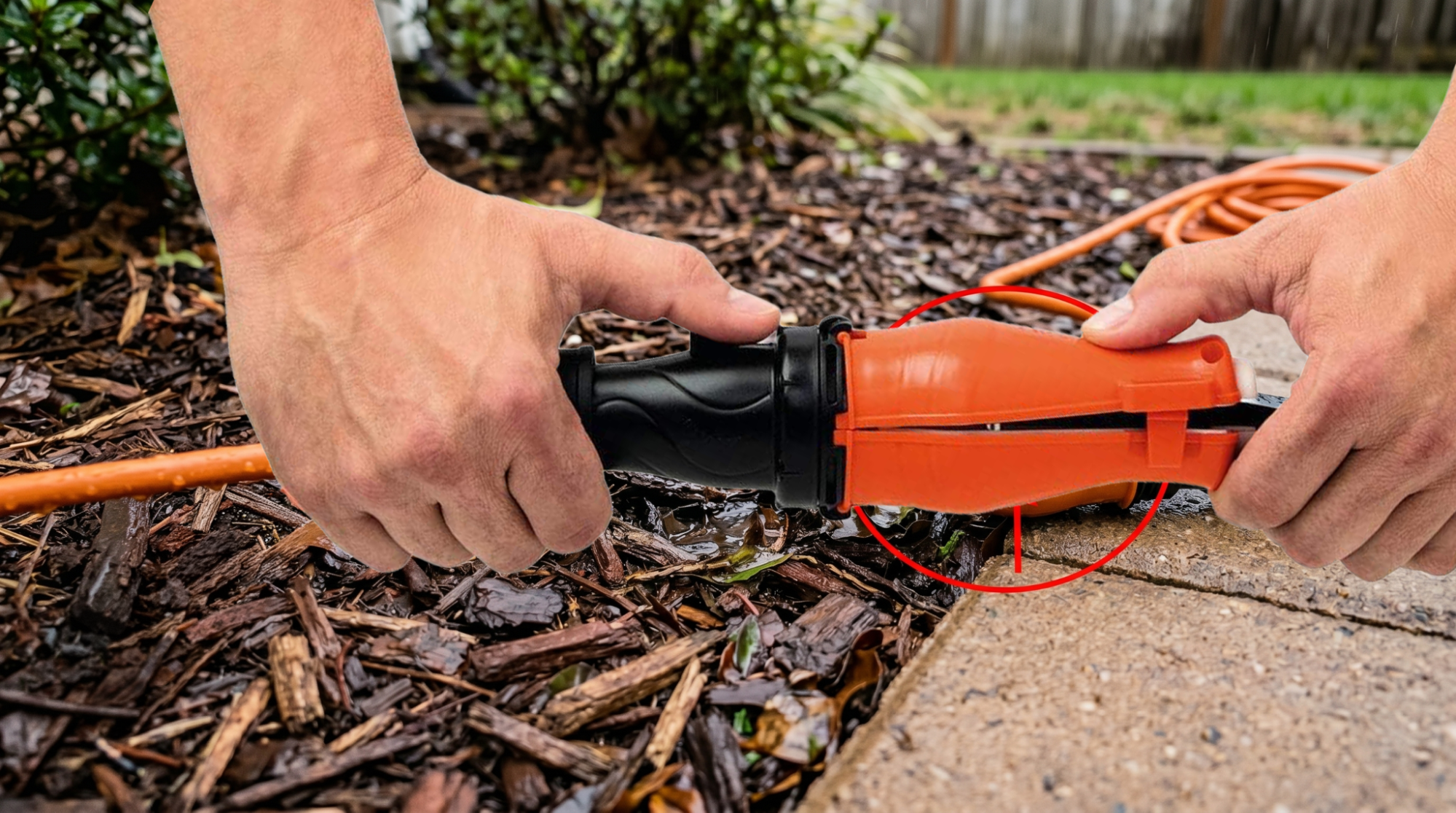
Following a few simple safety practices can dramatically improve outdoor electrical safety.
Best practices include:
- Use outdoor-rated extension cords only
- Protect plug connections with weatherproof covers
- Keep cords away from water whenever possible
- Avoid overloading circuits
- Inspect cords regularly
- Store cords indoors when not in use
- Replace damaged cords immediately
These small precautions can help extend cord life and reduce safety risks.
Why Weatherproof Connection Covers Matter
One of the weakest points in any outdoor extension setup is the plug connection itself.
A weatherproof extension cord safety cover helps protect the connection from:
- Rain
- Snow
- Dirt
- Mud
- Moisture
- UV exposure
This extra layer of protection helps prevent corrosion, accidental disconnections, and electrical hazards while improving the reliability of outdoor power connections.
Final Thoughts
Outdoor extension cord safety is something many homeowners overlook until problems occur. Using the correct outdoor-rated extension cords, protecting plug connections, and avoiding common mistakes can significantly reduce electrical risks and improve long-term safety.
Simple upgrades like weatherproof extension cord safety covers and heavy-duty outdoor extension cords help create safer, more reliable outdoor power connections for tools, lighting, appliances, and seasonal equipment.
If you regularly use electricity outdoors, investing in proper weatherproof protection is one of the smartest and safest upgrades you can make.