Why an ETL Certified Travel Extension Cord is Non-Negotiable
August 26, 2026
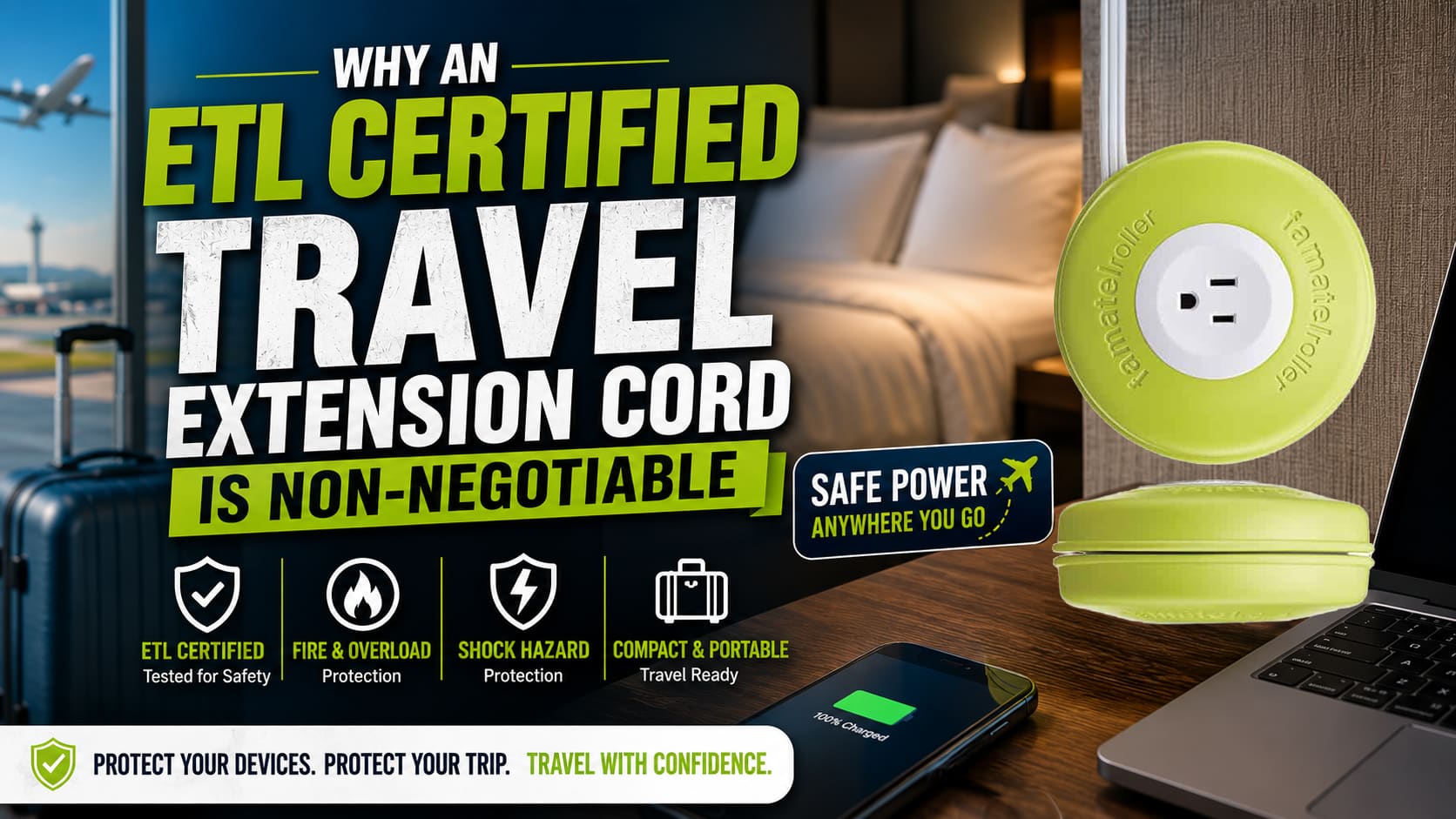
Why is an ETL certified travel extension cord so important when you are plugging into unfamiliar outlets in hotels, airports, and rental properties? Most people toss an extension cord into their luggage without giving it much thought until a loose outlet, old wiring, or overloaded circuit causes a problem. When it comes to Extension cord safety travel, choosing a reliable cord before you leave is just as important as using it properly once you arrive. The same applies to a safe portable power strip, especially when you are relying on unfamiliar electrical systems. Independent safety testing gives you confidence that the product has been checked for common fire and shock risks, rather than relying on a low price or a convincing product photo.
Why an ETL Certified Travel Extension Cord is Non-Negotiable
An ETL certified travel extension cord has been independently tested against recognized safety standards for fire risk, overload protection, and electrical shock hazards. Uncertified cords skip this testing entirely, which means there is no independent verification that the internal wiring, plug, or housing can handle real-world travel conditions safely.
What Does ETL Certified Actually Mean?
ETL certification comes from Intertek, an independent testing organization that evaluates electrical products against the same safety standards used by UL. A product carrying the ETL mark has been tested for insulation integrity, heat resistance, and safe current handling before it ever reaches a store shelf.
This matters more than it might seem. Extension cords are simple-looking products, but they carry live current through thin wiring that travels through bags, gets bent around corners, and gets plugged into outlets of unknown condition on every trip. A cord that looks identical to a certified one on the outside can behave very differently once it is under real load, which is exactly what certification testing is designed to catch before the product ever reaches a customer.
Why an ETL Certified Travel Extension Cord is Non-Negotiable
Skipping certification is not a minor shortcut. It removes the one safeguard that confirms a cord will not overheat, short, or fail under normal use.
The Real Risk of Uncertified Cords
Uncertified extension cords are not required to prove their internal wiring meets any load-handling standard. That means the wire gauge inside could be too thin for the current it is rated to carry, which raises the risk of overheating during extended use, especially when a laptop, phone charger, and travel iron are all pulling power from the same cord. Without testing behind the claim, an amperage rating printed on the packaging is simply unverified.
Why Shared and Unknown Outlets Raise the Stakes
Hotel rooms, airport lounges, and rental properties often have older wiring or outlets that have taken years of hard use. A certified cord is built with tested tolerances that account for these less predictable conditions, while an uncertified cord offers no such assurance. That gap matters most in exactly the situations where you have the least control, plugging into an outlet you have never seen before and cannot inspect.
What to Look for in a Safe Portable Power Strip
Not every travel power strip on the market is built with the same safety standards, and spotting a safe portable power strip before you buy comes down to a few key details.
● An ETL or UL certification mark printed directly on the cord or packaging
● A polarized or grounded plug rated for the amperage you actually need
● Insulated, flame-resistant housing around the outlets and cord
● A clearly listed voltage and amperage rating, not a vague power claim
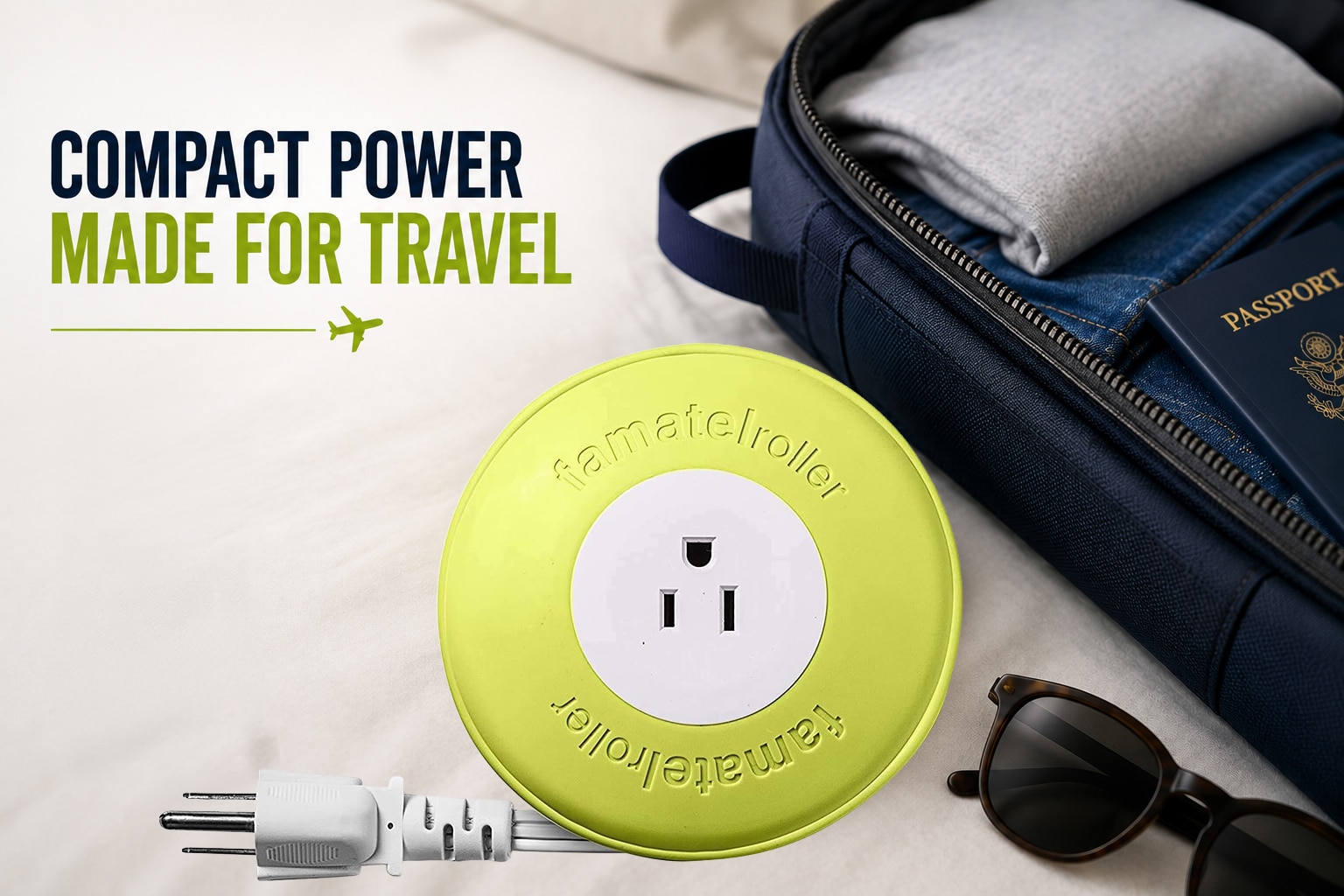
● Compact, tangle-free cord storage that reduces wear from repeated packing
Extension Cord Safety Travel Tips
Good extension cord safety travel habits work best alongside a certified cord, not as a substitute for one, since equipment and habits protect you in different ways.
● Avoid daisy-chaining multiple extension cords together, since this increases resistance and heat buildup.
● Unplug high-draw devices like hair tools when they are not actively in use.
● Inspect the cord and plug for cracks or fraying before every trip, not just when something looks obviously wrong.
● Keep the cord fully uncoiled while in use, since tightly wound cords trap heat.
Why Choose EasyLife Tech ETL Certified Travel Extension Cords
EasyLife Tech travel extension cords are ETL Listed, giving you independently verified protection built into a compact, travel-ready design that holds up to the wear and tear of frequent trips.
● ETL Listed for verified safety and reliable performance
● Compact 6.56-foot wraparound cord with tangle-free silicone storage
● 13A, 125V rating suitable for laptops, phones, and small travel appliances
● Lightweight, portable design built for hotels, airports, and RVs
● Trusted construction backed by real safety testing, not just marketing claims
Your Next Trip Deserves Certified Power
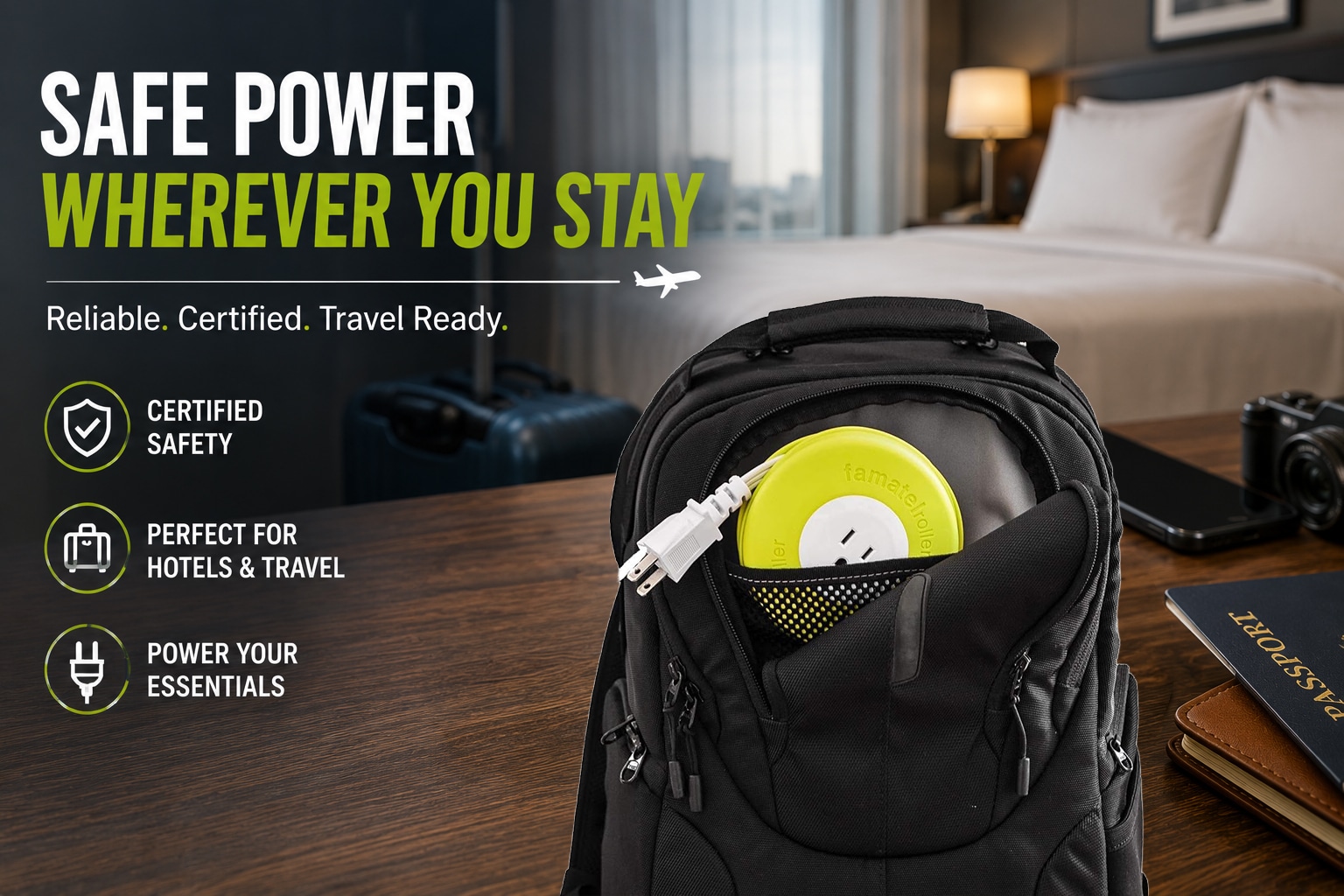
An ETL certified travel extension cord is not an upgrade you can skip, it is the baseline that keeps your devices, your hotel room, and your travel plans safe from a preventable electrical hazard. Once you have seen what certification actually verifies, going back to an unlisted cord is a hard sell.
Ready to travel with certified peace of mind?
Buy Now and pack an EasyLife Tech ETL certified travel extension cord for your next trip.
FAQs
1. Is an ETL certified travel extension cord safe for hotel rooms?
Yes, an ETL certified travel extension cord has been independently tested against recognized electrical safety standards. It is designed to handle common risks such as overheating, electrical shock, and overload when used within its rated capacity.
2. Can I use a travel extension cord for multiple devices?
Yes, you can connect multiple low-power devices as long as their combined load stays within the cord's voltage and amperage rating. Avoid connecting high-draw appliances together or exceeding the cord's rated capacity.
3. What makes a safe portable power strip different from a regular power strip?
A safe portable power strip should have a recognized certification mark, appropriate voltage and amperage ratings, and durable insulation. These features provide greater assurance that the product has been tested for common electrical safety risks.
4. Can I leave a travel extension cord plugged in overnight?
It is safer to unplug devices and the extension cord when they are not needed, particularly high-draw appliances. Following basic extension cord safety travel practices can help reduce unnecessary heat buildup and electrical risks.
5. How do I know if a travel extension cord is ETL Listed?
Look for the ETL Listed mark on the product or its packaging and verify that the certification applies to the specific product. Avoid relying only on a seller's description or a general claim that the cord is "tested for safety."