Why Your Extension Cord Keeps Overheating And How to Fix It
June 5, 2026
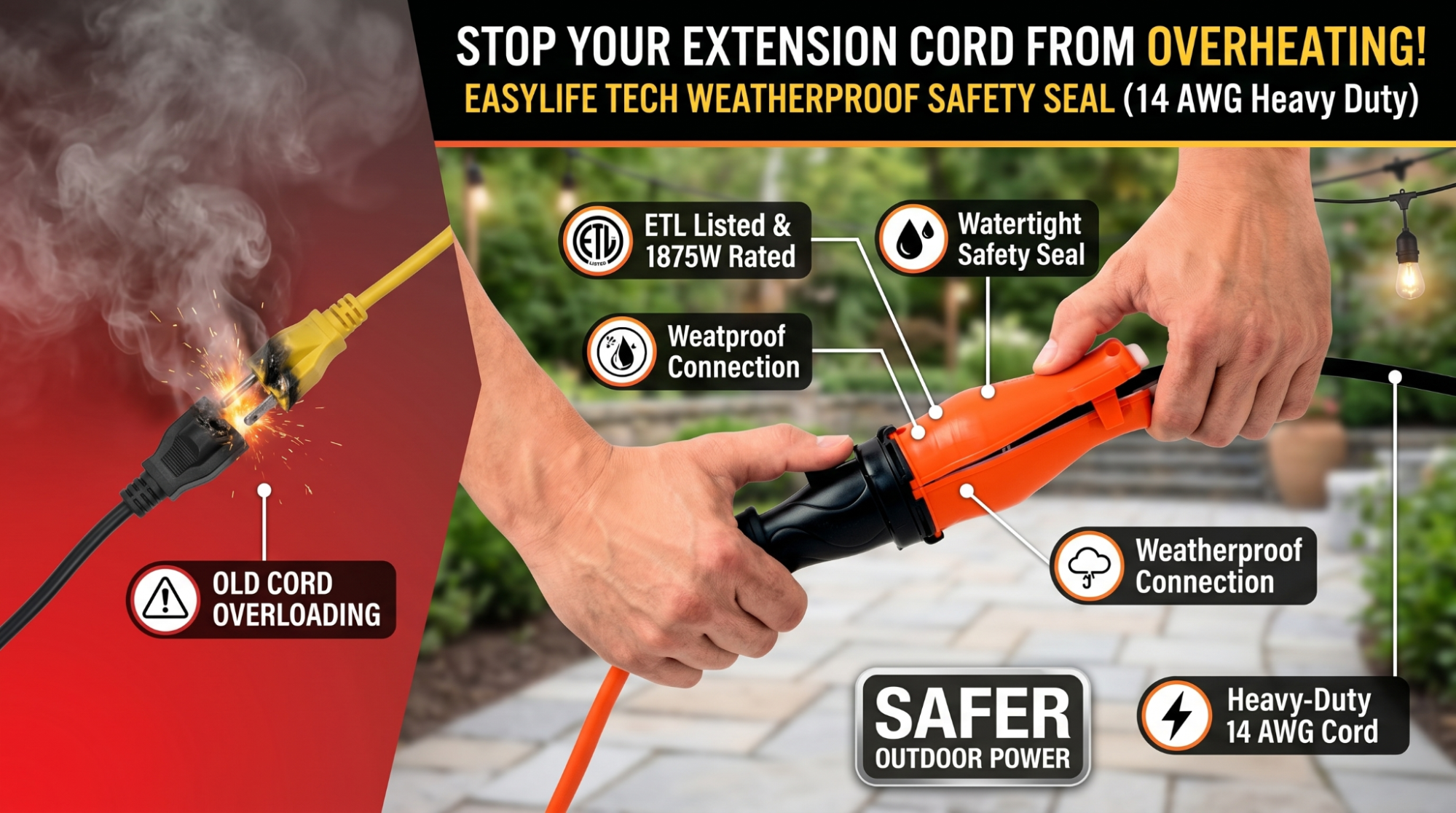
Why Your Extension Cord Keeps Overheating And How to Fix It starts with understanding that a hot extension cord is never normal. Many homeowners ignore warm cords until they notice burning smells, flickering power, or damaged plugs. This guide explains why extension cords overheat, how to prevent electrical hazards, and why using heavy-duty outdoor extension cords is essential for safer outdoor power setups.
Shop EasyLife Tech Outdoor Extension Cord with Connector Safety Seal
Key Takeaways
- Overheating extension cords are usually caused by overloads or undersized wiring.
- Heavy-duty outdoor extension cords handle higher electrical loads more safely.
- Coiled cords trap heat and increase overheating risks.
- Damaged cords should be replaced immediately.
- Outdoor-rated extension cords improve safety and performance.
- Proper extension cord usage helps prevent electrical fires.
- Matching the cord to the power demand reduces overheating risks.
What Causes an Extension Cord to Overheat?
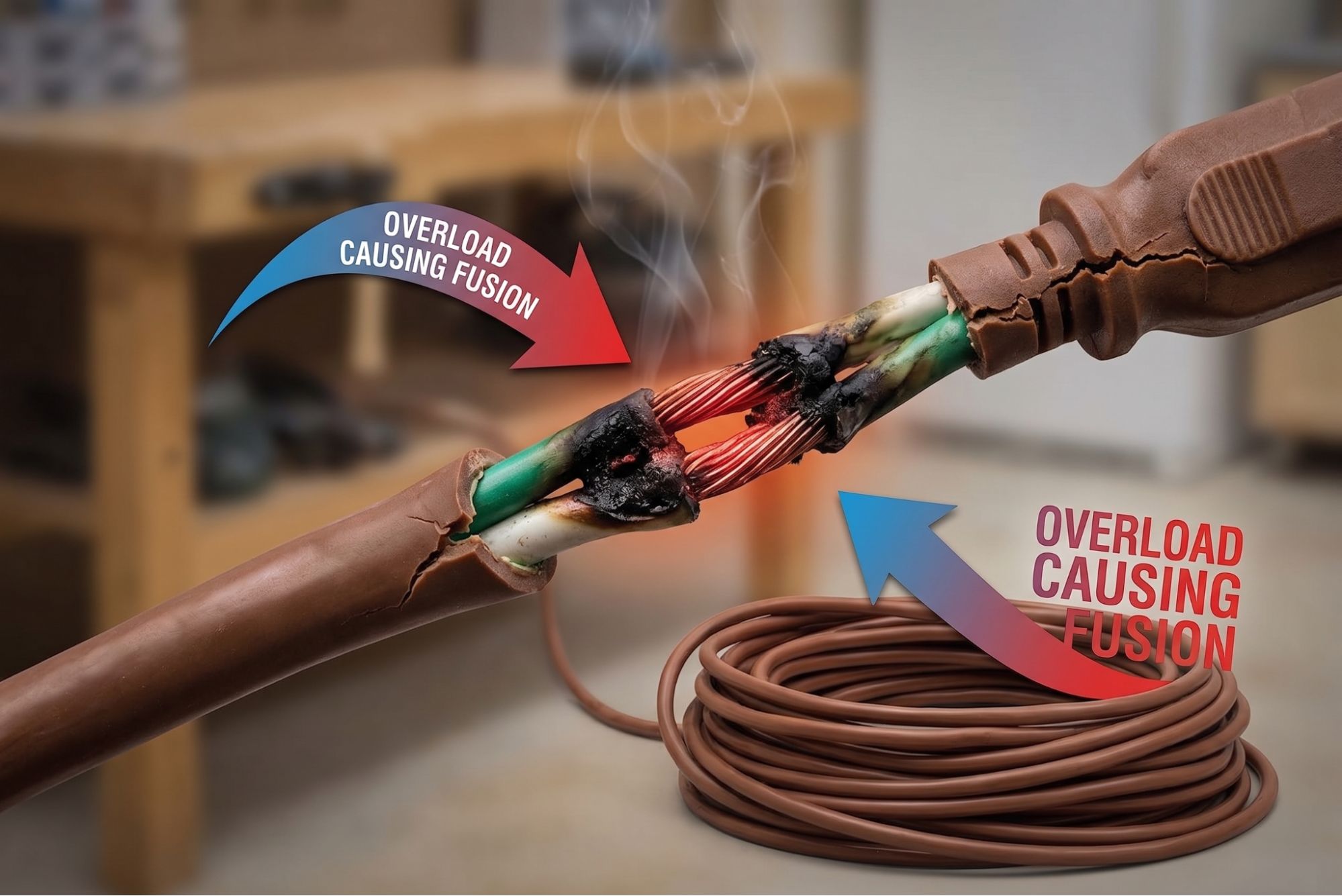
Extension cords overheat when they carry more electrical current than they are designed to handle. Excess electricity creates heat inside the wiring, especially when cords are overloaded or improperly used.
Common Causes of Overheating
- Using lightweight indoor cords outdoors
- Powering high-wattage appliances
- Running multiple devices from one cord
- Leaving cords tightly coiled
- Using damaged or old cords
- Using extension cords that are too long
For example, plugging a space heater or air compressor into a thin household extension cord can quickly cause the cord to become dangerously hot.
Overheating often starts gradually. Many cords first feel warm before progressing to melting insulation or burning plugs.
Signs of Dangerous Extension Cord Overheating
Signs of dangerous overheating include:
- Burning smells
- Warm or hot plugs
- Discolored outlets
- Flickering power
- Cracked insulation
- Sparking connections
Electrical Safety Foundation International reports that extension cords contribute to thousands of residential electrical injuries annually.
Ignoring these warning signs can lead to damaged electronics, power failures, or electrical fires.
What Are the Most Common Reasons Extension Cords Overheat?
The most common reasons extension cords overheat include overloaded power demand, incorrect cord types, damaged insulation, and trapped heat from coiled cords.
Using the Wrong Extension Cord
Indoor extension cords are not designed for outdoor power equipment or heavy electrical loads. Lightweight cords often use thinner internal wiring that heats up faster under load.
Outdoor tools, heaters, patio equipment, and appliances require heavy-duty outdoor extension cords that can safely handle higher amperage.
Overloading the Cord
High-power devices often exceed the safe electrical rating of standard extension cords.
Common Overload Devices Include:
- Space heaters
- Outdoor grills
- Air compressors
- Power tools
- Portable AC units
- Large kitchen appliances
When too many watts pass through undersized wiring, the cord overheats quickly.
Leaving the Cord Coiled
Coiled extension cords trap heat instead of allowing airflow around the cable. Heat builds rapidly inside tightly wrapped cords during use.
This is especially dangerous with long outdoor extension cords powering heavy equipment.
How Can You Prevent Extension Cord Overheating?
You can prevent extension cord overheating by using extension cords designed for the correct electrical load and environment.
Always Check:
- Amp rating
- Wattage capacity
- Cord length
- Indoor vs outdoor rating
- Wire gauge thickness
Using the correct extension cord dramatically improves electrical safety and performance.
Why Heavy-Duty Outdoor Extension Cords Matter
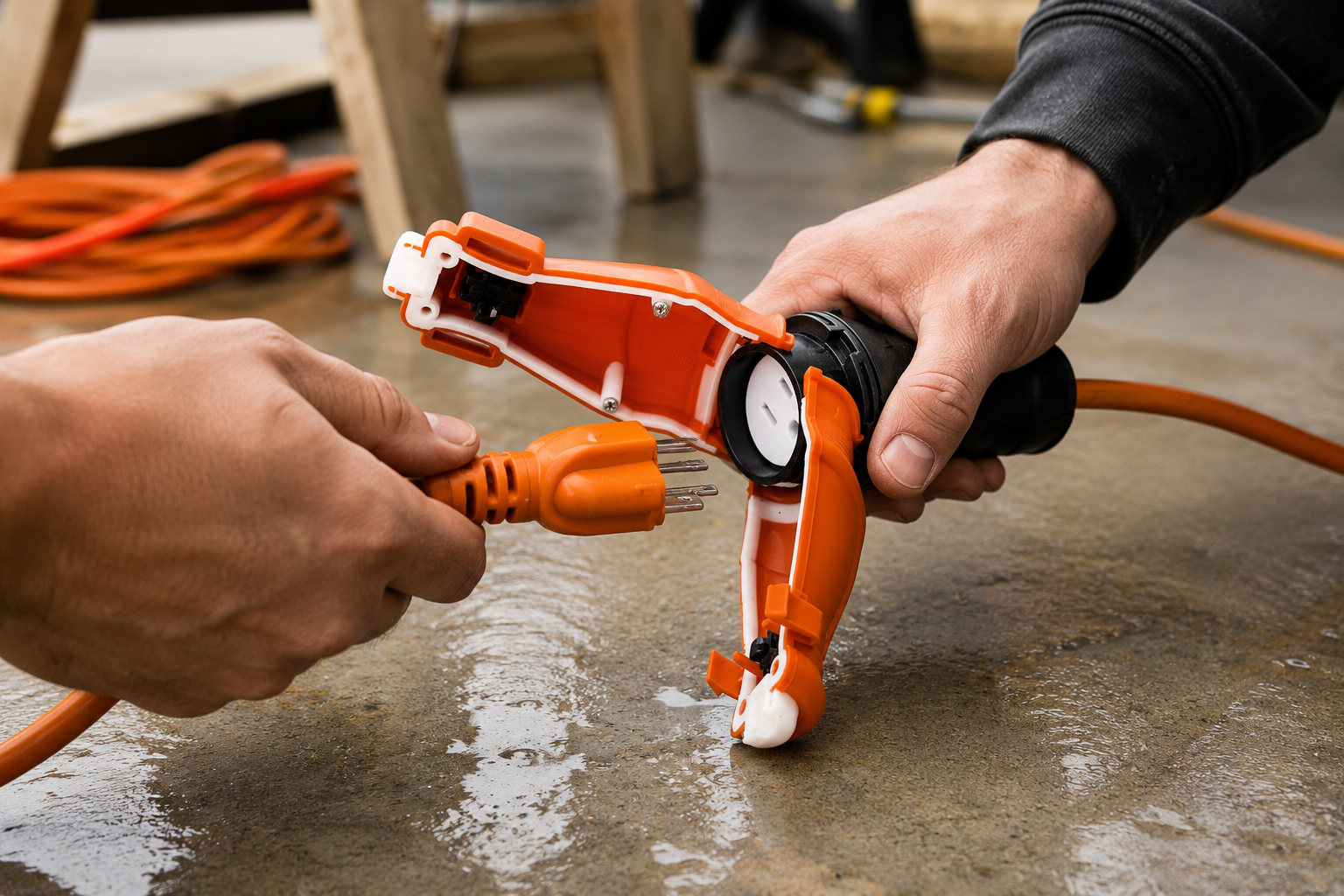
Heavy-duty outdoor extension cords use thicker wiring and stronger insulation designed to handle higher power loads safely.
Benefits Include:
- Better heat resistance
- Weather-resistant insulation
- Improved durability
- Higher amp capacity
- Safer outdoor use
- Reduced voltage drop
EasyLife Tech Outdoor Extension Cords are designed for:
- Outdoor power tools
- Patio lighting
- Seasonal decorations
- Backyard appliances
- Garage equipment
- Workshop electrical setups
Outdoor-rated extension cords improve power safety and reduce overheating risks.
Upgrade Your Outdoor Power Setup with EasyLife Tech
How Do You Know If an Extension Cord Is Unsafe?
Unsafe extension cords often show visible wear, overheating, or inconsistent power performance.
Replace Extension Cords Immediately If You Notice:
- Cracked insulation
- Loose plugs
- Burn marks
- Exposed wires
- Hot connectors
- Flickering power
- Cuts or fraying
According to OSHA electrical safety guidelines, damaged extension cords should never remain in active use.
Using damaged cords increases the likelihood of short circuits and electrical fires.
What Is the Best Extension Cord for Outdoor Power Equipment?

The best extension cord for outdoor power equipment is a heavy-duty outdoor-rated cord designed for high electrical loads and weather resistance.
Important Features Include:
- Thick wire gauge
- Weather-resistant insulation
- Heavy-duty connectors
- Flexible outdoor coating
- Heat-resistant construction
- Long-term durability
Outdoor equipment such as lawn tools, pressure washers, patio heaters, and seasonal lighting systems require cords built for continuous outdoor use.
Using proper outdoor extension cords improves both safety and equipment performance.
Common Extension Cord Mistakes to Avoid
Avoid these common problems:
- Using indoor cords outdoors
- Overloading one extension cord
- Leaving cords coiled
- Running cords under rugs
- Ignoring hot plugs
- Using damaged cords
- Using cords that are too small
Running extension cords beneath carpets or furniture traps heat and prevents airflow around the wiring.
Proper extension cord placement improves both safety and cable lifespan.
What Should You Do If Your Extension Cord Overheats?
If your extension cord overheats, unplug it immediately and inspect the cord for overload or visible damage.
Follow These Safety Steps:
- Disconnect all connected devices
- Allow the cord to cool fully
- Inspect the insulation and plugs
- Replace damaged cords immediately
- Switch to a heavy-duty outdoor extension cord
- Reduce electrical load if necessary
Never continue using a hot extension cord after overheating occurs.
Replacing lightweight cords with heavy-duty outdoor extension cords significantly improves outdoor power safety.
Conclusion
An overheating extension cord is never something to ignore. Excess heat usually signals overloaded wiring, unsafe usage, or extension cords that cannot safely handle the electrical demand.
Using EasyLife Tech Heavy-Duty Outdoor Extension Cords helps reduce overheating risks while improving outdoor electrical safety and long-term durability.
Perfect For:
- Outdoor power tools
- Patio lighting
- Seasonal decorations
- Backyard appliances
- Heavy-duty outdoor setups
- Garage power equipment
- Workshop electrical setups
Shop EasyLife Tech Outdoor Extension Cord with Connector Safety Seal